Art as a political mirror in 2025: Highlights that defined the year
OPINIONPOLITICS
2025 undoubtedly was quite a challenging year for creators, artists, new forms of art appeared in our society and art crossed with politics. Across the whole world, and the digital sphere, creative expression is becoming more and more visible than ever before and its encounter with censorship controversies, artificial intelligence breakthroughs, and economic reforms. Here I’d like to dive into the most highlighted moments of the year in art and politics and to see how art reflected politics in 2025.
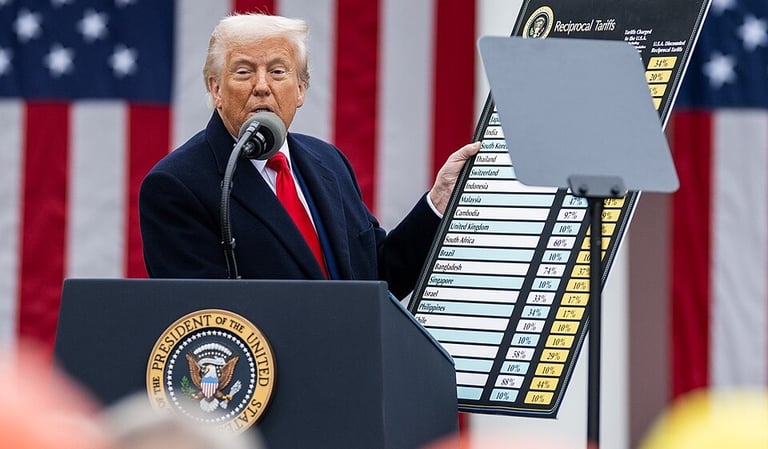
President Donald Trump signs an Executive Order on the Administration’s tariff plans at a “Make America Wealthy Again” event. Photo of The White House (CC0 -1.0)
Tariffs and the cost of culture: How Trump’s trade policy shook the art market
Banksy’s protest art and the politics of erasure
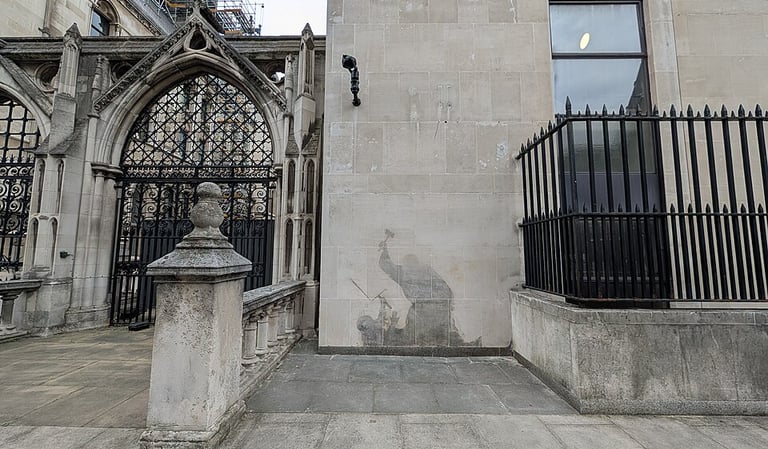
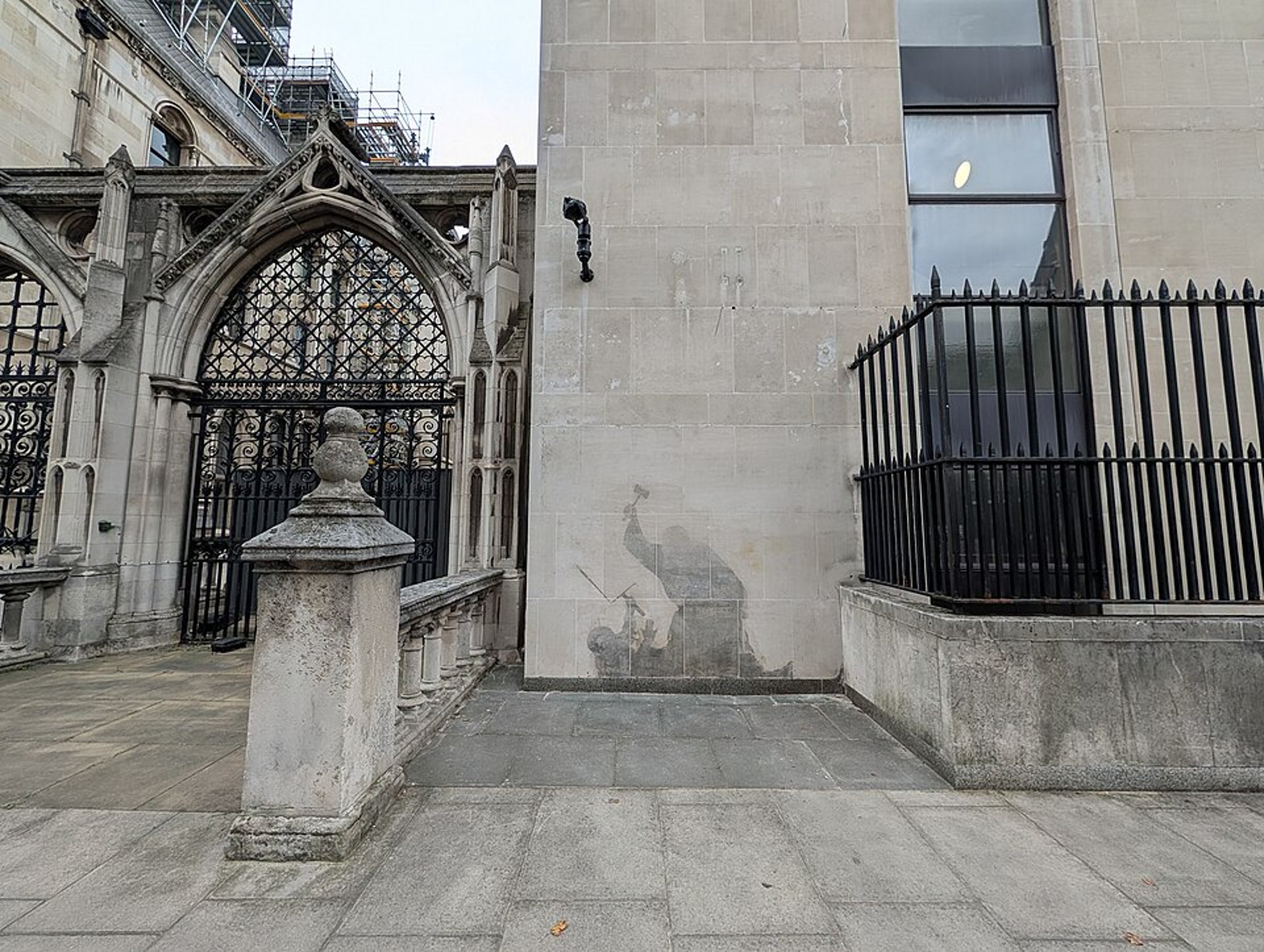
Banksy once again turned public space into a sign of protest in the United Kingdom. As reported by Artnet news and later detailed by The Guardian, the anonymous artist revealed a mural depicting a judge beating a protester next to the wall of a court building in London. An image was interpreted as a sign of criticism for the state authority.
Court staff quickly covered the mural, but the act of removal intensified its impact. Photographs managed to capture it on time and the pictures of the painting circulated widely online before the work was obscured. A local observer quoted in The Guardian remarked that “covering it up only proved its point,” suggesting that censorship became part of the artwork’s meaning.
After the paint was removed, the painting took a shadow look, but this version attracted even more attention as an attempt by the authorities to "censor" art. Photo by: Retiolus (CC0 -1.0)
The famous tariff policies under the U.S. President Donald Trump had consequences that affected the global art trade as well. According to ArtNews, import duties affecting works from China and parts of Europe disrupted cross-border sales and complicated participation in international fairs. Dealers reported about rising shipping costs and uncertainty surrounding customs classifications.
Market analysts for the ArtNews reported that “uncertainty is toxic for a market built on confidence,” underscoring how sensitive high-value art transactions are to political instability. Some smaller galleries were particularly exposed, as participation in fairs in New York or Miami required recalculating budgets amid shifting trade policies. The situation also brought back the debate about whether art should be treated simply as a luxury commodity in geopolitical negotiations or rather recognized as a cultural good presenting subjective perspectives.
In 2025, the art market became a visible casualty of economic nationalism, illustrating how Trump’s tariffs reverberate far beyond traditional industrial sectors.
The opening of The Grand Egyptian Museum in Cairo
With great national pride and huge investments, the inauguration of the Grand Egyptian Museum near the pyramids of Giza marked one of the most significant cultural openings of the year. According to BBC News, the museum holds more than 100,000 artifacts, including the full Tutankhamun collection displayed together for the first time.
The Grand Egyptian Museum in Egypt, which is situated near Cairo, had an estimated construction cost of more than $1 billion, with some reports putting it as high as $1.2 billion. This gigantic project that took two decades to complete was mainly financed by concessional loans amounting to about $800 million from Japan.
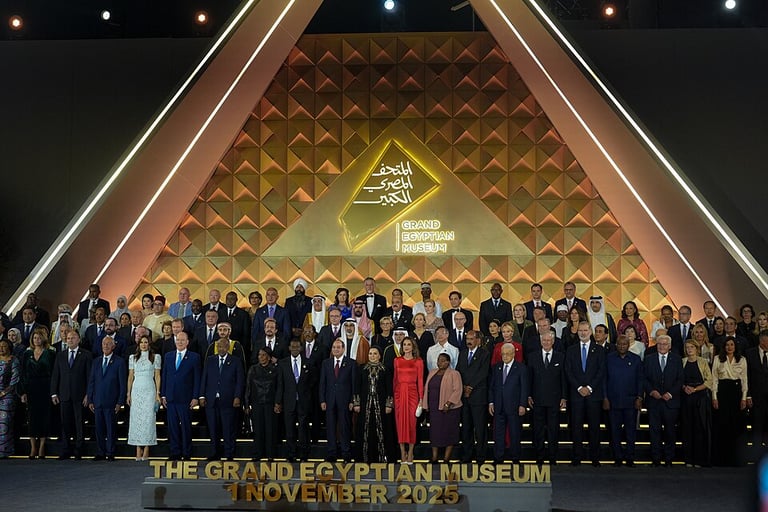
Official opening of Grand Egyptian Museum with the local officials and guests from other countries. Photo by: REPÚBLICA DE COLOMBIA (CC0 -1.0)
Egyptian officials described the institution as both a cultural landmark and an economic catalyst designed to strengthen tourism and share national treasure. The scale of the museum signaled Egypt’s investment in heritage as a form of soft power. By consolidating ancient artifacts in a modern architectural setting, the project bridged past and present, reinforcing national identity while attracting global attention.
Authorship in question: OpenAI’s new image model
Technology continued to revolutionize the artistic process through developments in AI that could turn virtually any picture into a dozen options of artistic styles. As reported by The New York Times, “it can produce images in the style of nearly any artistic tradition,” which increased creativity among design professionals and common individuals.
Student of design and web development Martynas, notices that even with AI improving everyday it still can hardly do full work without a single mistake. “AI today can generate user interface screens, but it doesn't mean that they are 100% good. People who have been working in the UI/UX design industry for years have developed an eye for designs, so they can immediately spot the mistakes AI did after generating a screen of a web or a mobile design. So, it can definitely be used as a tool but not as a whole replacement.” he said.
New Art Press explained how this technological advance represented the latest trend in artistic creation in which AI was becoming increasingly used in professional artistic processes. Although it was celebrated for its user-friendliness and democratization of artistic tools, it also faced criticism as to how they were developed and whether they threatened human authorship.
As reported in one article, “It’s no longer about whether AI can create interesting images, but about how we define originality within this new reality.” This same issue was addressed politically and legally in the year 2025.
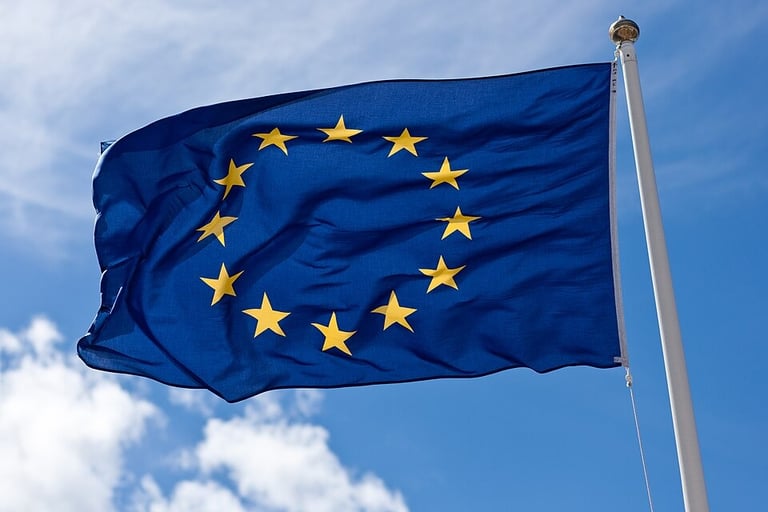
Reforming the art market: The European Union’s VAT changes
While news articles reported on the rise of mural art and the use of algorithms in art, regulation reforms had significantly changed the European art economy. New legislation was put forward by the European Union, which targeted the simplification of its VAT system for art transactions. According to ArtNews, the VAT (Value-added tax) system for the EU was already causing issues due to conflicting tax laws.
This reform sought to simplify the process, cut down administrative work, and promote transparency. As an expert noted in an article, this initiative would help in reducing art taxation “from labyrinthine into competitive advantage.” Through this move, it is clear that the European Union values the contribution of the cultural industry. While most regions resorted to protectionism, the VAT reforms showed a different path.
Conclusion: Culture reflects politics
The notable stories about art in 2025 have a common theme: culture is not independent of politics, but instead, it influences, resists, and reflects politics. Whether it was disagreements over tariffs during the presidency of Donald Trump, arguments about free speech that included Jimmy Kimmel, censorship by Banksy of his artwork, the grand opening of a museum in Cairo, advances in artificial intelligence made by OpenAI, or taxes in Europe, art was both a spectator and an active participant.
2025 was a challenging year for the world and undoubtedly including art. In 2025 there was no neutral party, it was a mirror that reflected the tensions and power dynamics of the time.