How the One Piece flag became Nepal’s Gen Z symbol of resistance
CULTUREARTS
In early September, Nepal's government passed legislation proposing a ban on social media and unknowingly lit a fuse. By October 9, the streets of Kathmandu were flooded with chants, banners, and fury, as reported by BBC News.
At first glance, the scene was striking: crowds of young people, many barely out of high school, marching with defiant energy. Their demands? An end to corruption, rising unemployment, and the proposed censorship of their digital lifeline - social media.
Ironically, it was on social media that the Prime Minister’s assistant announced the resignation of Prime Minister Sharma Oli, citing “the extraordinary situation.” What began as peaceful outrage soon escalated into violent clashes, tragically resulting in the deaths of dozens of protesters.
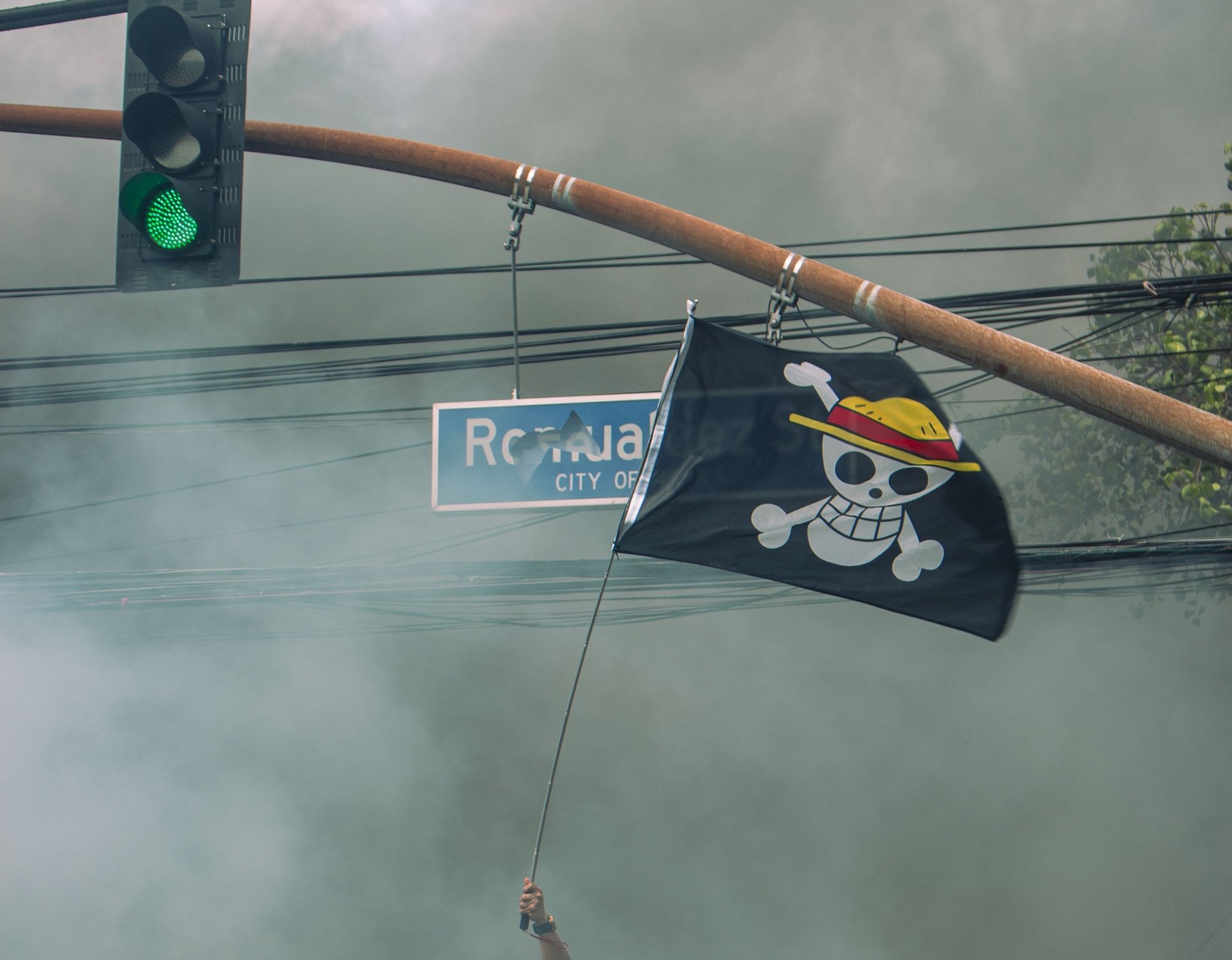
In the very heat of this protest, one unusual detail unexpectedly emerged a skull in a straw hat. The emblem of the Straw Hat Pirates from the Japanese manga One Piece rose above the crowd, becoming a symbol of resistance.
One Piece, created by Eiichiro Oda in 1997, tells the story of Monkey D. Luffy and his crew as they journey toward a legendary treasure. But more than adventure, it’s a story of rebellion. Quentin C., a comics expert from Album Comics in Paris said:
Within the series, the straw hat flag stands for freedom, rebellion, and the power of friendship - values that suddenly felt more than fictional on the streets of Kathmandu.
A photo of a One Piece flag raised among a crowd of protesters quickly spreads across social media, immediately attracting everyone's attention. At first glance, it might seem absurd and unserious. How can a cartoon pirate flag capture the rage of an entire generation? However, the more we reflect, the more sense it makes.
For Gen Z protesters in Nepal raised on anime, memes, and global streaming platforms this flag is more authentic than the national banners tied to politicians who have failed them. By choosing this flag, they give a message: we don’t trust this system anymore, so we’ll invent our own language of resistance.
Professor at the Tokyo University of Foreign Studies, who researches the spread of Japanese pop culture to Southeast Asia, Ikuya Tokoro noted that the “flag” phenomenon that occurred in Indonesia and Nepal spread to young people in other countries who use social media to see what's going on around the world daily. In earlier protests in the '70s or '80s, movements were led by unions and slogans from political ideologies or famous politicians. When I asked Quentin from Album Comics shop in Paris whether he thinks Gen Z only relies on fictional figures in their protests, he added:
In Nepal, the pirate flag recognized the betrayal of a generation and gave them a unifying language. Gen Z’s choice of symbol already reveals something profound: in a world where politics feels broken, culture and imagination have become radical weapons. When a pirate flag waves in Kathmandu, it shows us that resistance today is as much about creativity as it is about slogans.
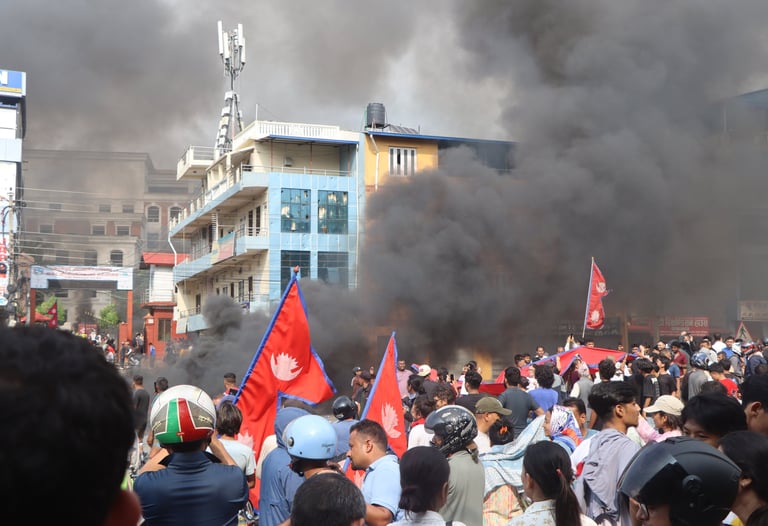

The beggining of the Gen Z protestest started in front of Bharatpur Metropolitan city office where thousand people gathered around the street. Photo: Himal Suvedi via Wikimedia Commons (CC BY-SA 4.0).
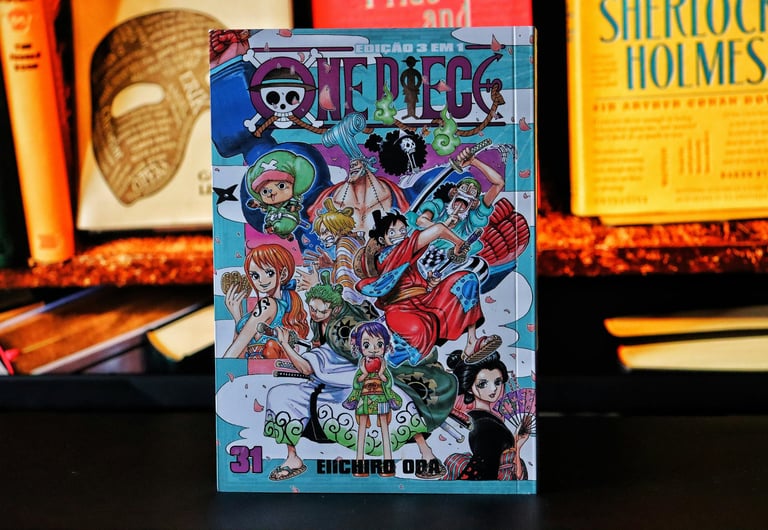
You can't miss One Piece's Straw Hat logo on manga comic book "Eiichiro Oda".
Photo: caio_delarolle via Unsplash (CC0 -1.0).
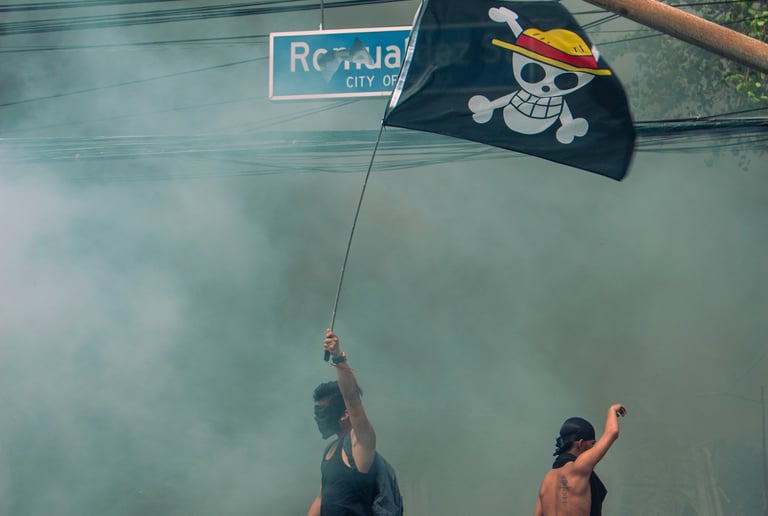
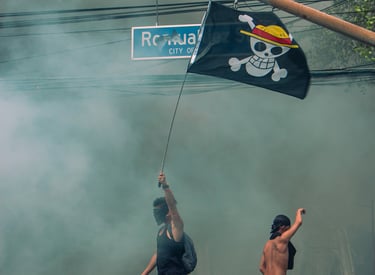
The skull straw hat flag was used in many other Gen Z protests as it became a popular sign of resistance.
Photo: Cyberneticboylol via Wikimedia Commons (CC BY-SA 4.0).
Rised flag in the middle of the protest storm
The beginning of the Gen Z protest storm
The origin of a skull in a straw hat flag
"The manga One Piece tells the story of resistance against unfair regimes - the struggle for freedom, justice, and peace. It also perfectly reflects the power of unity, or, let's say, the power of friendship, when people fight together for the same goal. The pirate flag symbolizes the part of the group that fights against an unjust government, rich people who profit from the problems of others, and generally fights against injustice in society."
"I wouldn't say that Generation Z only uses fictional works as a sign of resistance. For example, during the Black Lives Matter movement, many young people around the world took to the streets holding a photo of one victim, who was a real person who inspired the entire movement. Perhaps we can find more examples, but I can't remember them all right now.
However, in general, I think that because of social media, we are seeing more and more meme-style symbols or fictional characters. It's no secret that Generation Z spends a lot of time on social media, so it's natural that it inspires them to use one or another popular figure from there."